Vendor Email Compromise
Overview
When a cybercriminal takes over a vendor’s email account to hack into an organization, the attack is called Vendor Email Compromise. Attackers steal money from these organizations and then convince the victims to disclose confidential information resulting in the loss of data and money. A successful vendor email compromise can cause massive damage to the business and other stakeholders.
Attackers start by hacking business email accounts that are used to collect intelligence. They then spend time reading inbound and outbound emails, collecting intelligence, and waiting for the right moment to attack. When they are equipped with enough information, they send fake emails that are perfectly timed with payment instructions that fool an organization or user into rerouting the payment into the attacker’s account.
VEC STATS
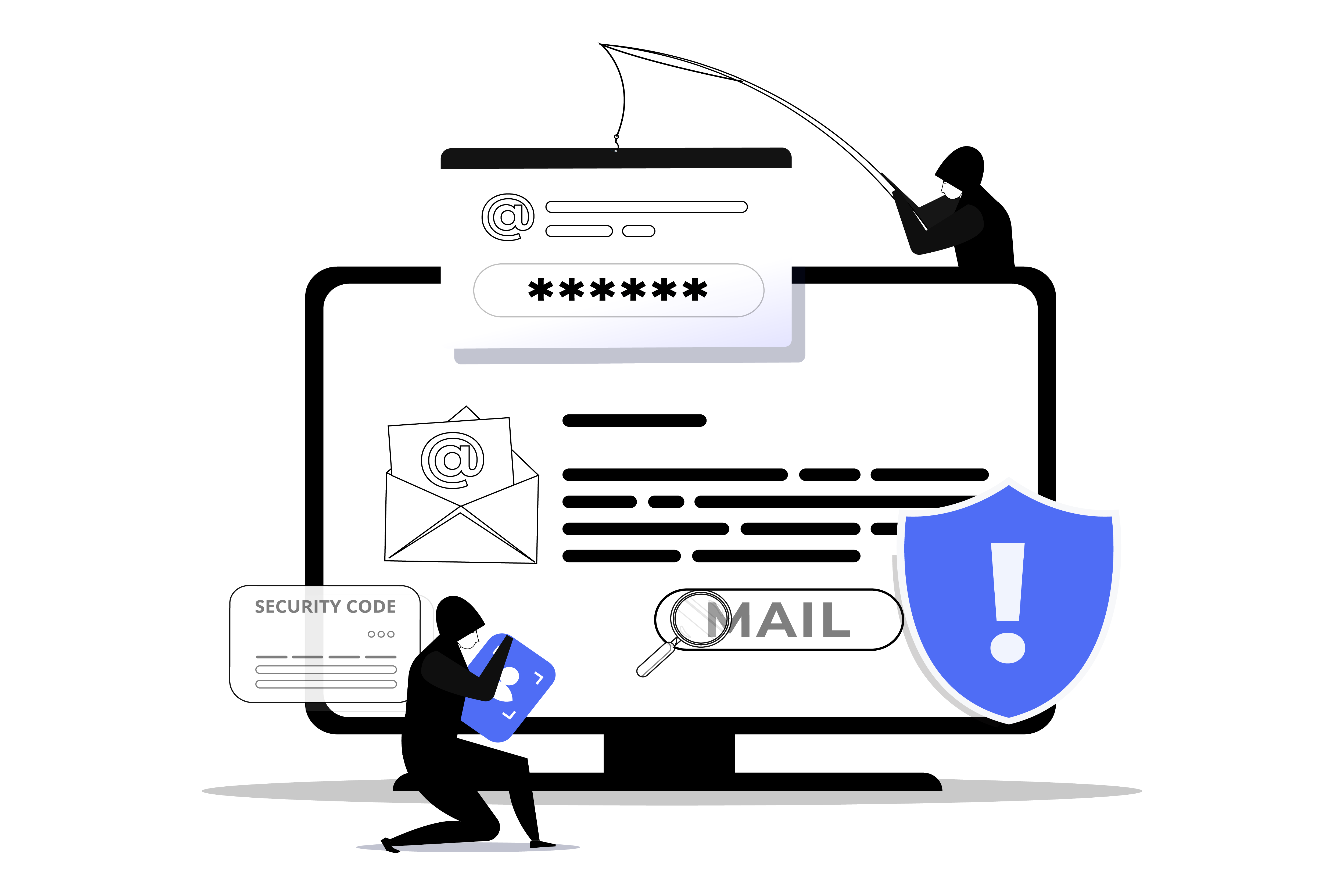
A leading report says that IT companies have a 50% chance of facing a vendor email compromise. This is a 24% rise as compared to the third quarter of 2020. The report also says that during an attack the average loss amounts to $183,000. This makes it even more imperative that strong and robust email security standards are implemented and made use of. DMARC is one such standard that helps in preventing these attacks.
The Human Touch
There are a few human solutions you can take to safeguard yourself from phishing and spoofing attacks. You should:
- Contact the concerned person to verify the request.
- Double-check the email address of the sender.
- Avoid making any immediate payments if the request is made by a colleague’s personal email address.
- Avoid replying or taking any further action if the email sounds too urgent.
- Be extremely cautious if a request for payment is made by the sender.
- Immediately alert your manager or person in charge if you fall prey to a scam.
These are just a few steps that can help you avoid getting robbed of sensitive data and money.
However, they are NOT enough. It is highly advised that you implement stringent protocols including DMARC, SPF, and DKIM.
How Can DMARC Help?
DMARC (Domain-Based Message Authentication, Reporting, and Conformance) is an email authentication standard or protocol that determines whether an email is authentic or not. It relies on SPF and DKIM, two other protocols, to decide the authentication status of an email.
For detailed information, read more on What is DMARC?
DMARC provides visibility of the original source of an email, making it difficult for impersonators to misuse a reputed domain or a trusted colleague’s email address. A vendor email compromise is immediately nipped in the bud as the DMARC protocol configured on the recipient’s domain reveals the source of the incoming email and raises alerts against the unverified sender.
You can set up DMARC on your domain using EmailAuth’s DMARC Record Generator. The EmailAuth dashboard completely automates the DMARC setup process, making it easier to choose who is allowed to send emails on your domain’s behalf and keep track of your enforcement policies. To monitor and verify your DMARC records, use EmailAuth’s DMARC Record Checker.
Apart from providing companies and organizations with guaranteed email security and complete control of their email domains via DMARC, EmaiAuth has other advantages. Head to Benefits of DMARC to read more about them.