Spear Phishing
Overview
Email remains the numero uno attack vector for cyber attackers. Although it might seem surprising, the reason for this is that 30% of employees continue to open spear-phishing emails. In a single campaign, an average of 1.6 million dollars is lost to these hackers.
Cyber attackers use data leaked due to corporate breaches to build a potential target list. Before the attack, they spend time developing fake websites of reputed brands that the consumer uses and trusts. The attacker then starts sending emails that present urgency, such as security alerts, tax time requests, etc. These emails are intentionally personalized to gain the victim’s trust. Once trust is established, the attacker steals valuable data such as bank account information, passwords, etc.
Stats
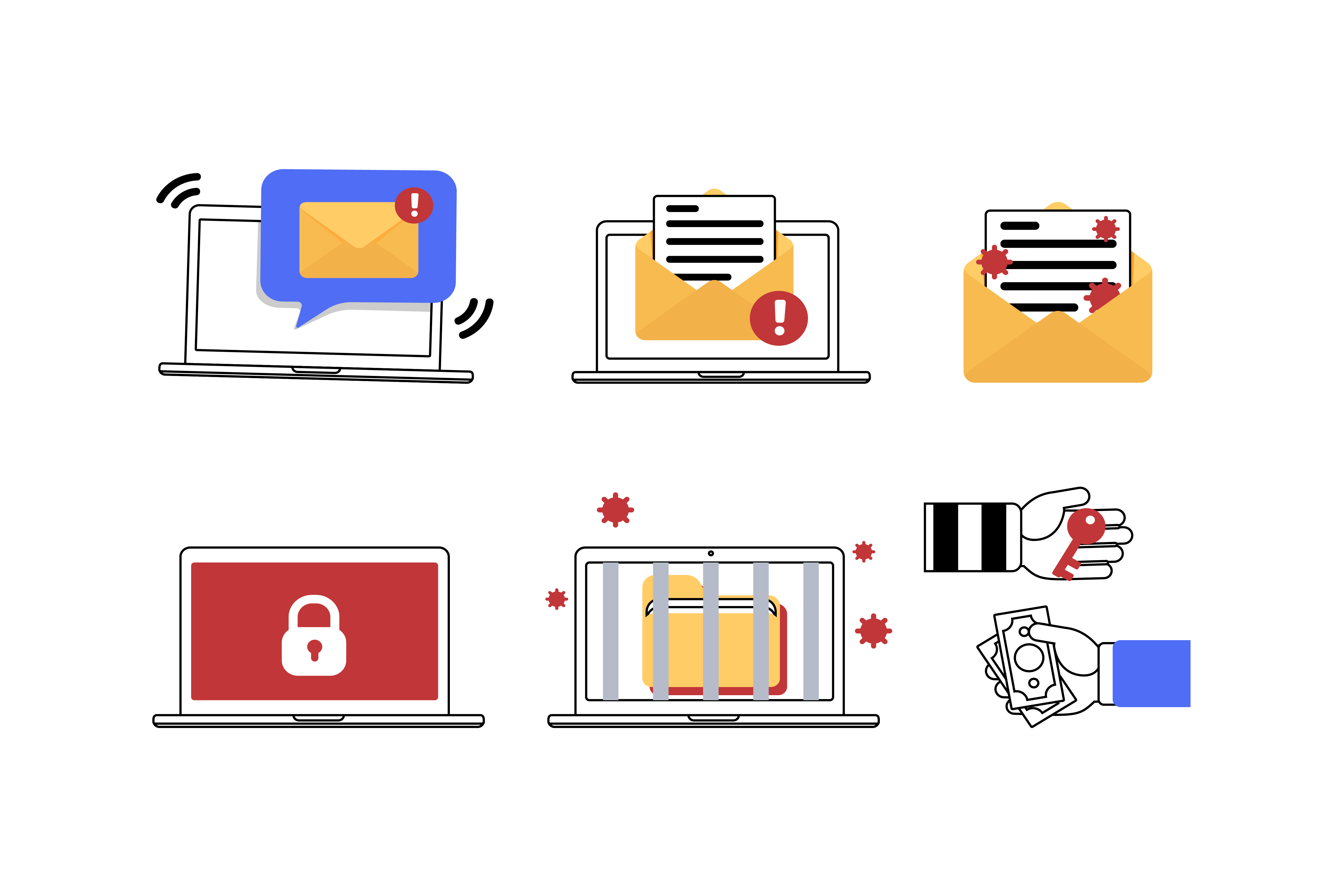
A leading report says that 35% of organizations around the world experienced some sort of spear phishing in 2020. The FBI states that spear phishing is the most common form of phishing used in cyberattacks around the world. Moreover, when it comes to targeted attacks, 65% of active groups relied on spear-phishing as the primary infection vector. This results in the loss of huge databases and millions of dollars. But these attacks can be prevented by strengthening the email security standards with the implementation of DMARC.
Eye-Openers
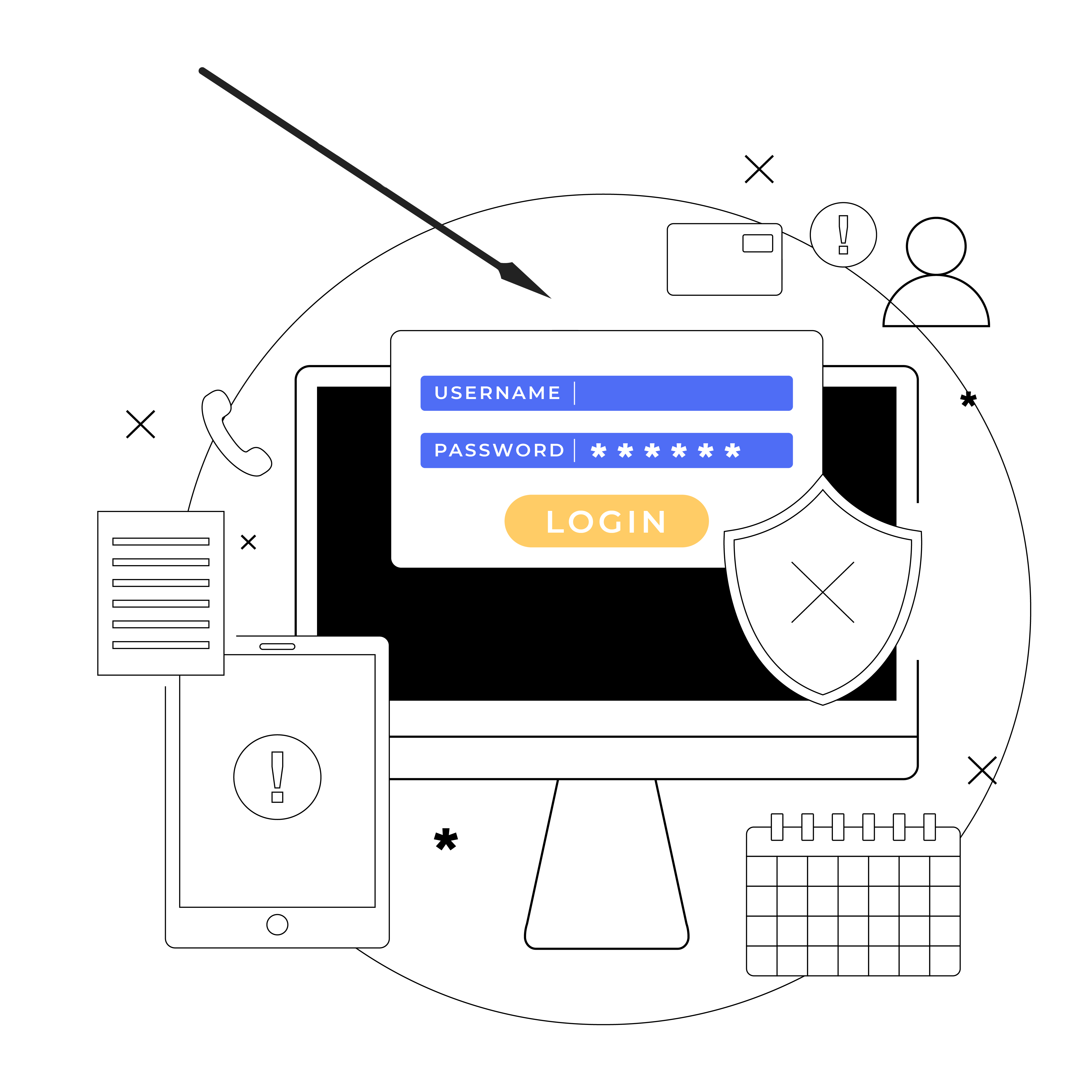
There’s a lot that goes unnoticed when it comes to phishing trends. We’ll break the most intriguing facts about phishing here:
- In a survey, it was observed that the 65+ age group were the most confident when it came to phishing security. However, they are also one of the major age groups being phished.
- Low-income earners usually don’t concern themselves with phishing and email security. The pay gap affects their level of awareness in an organization, making them easy targets to phishers.
- The same survey also revealed that a major chunk of business owners are entirely unaware if they are doing enough to secure their data and money.
How Can DMARC Help?
DMARC (Domain-Based Message Authentication, Reporting, and Conformance) is an email authentication standard or protocol that determines whether an email is authentic or not. It relies on SPF and DKIM, two other protocols, to decide the authentication status of an email. It provides visibility of the sources sending emails from an organization’s domain, ensures better email deliverability, and, most importantly, provides security against domain spoofing, phishing scams, and impersonation attacks.
DMARC is the first in line when it comes to protection against phishing. Since DMARC traces the origin of an email, it lets the user know if an email originated from an unverified and dangerous source. Based on the preferences set by the user, the receiving domain acts accordingly by either deleting the incoming mail or quarantining it and not letting it affect internal systems. DMARC should be used as the default tool for phishing and spoofing alerts worldwide.
For detailed information, read more on What is DMARC?
EmailAuth provides free tools to validate and verify domains for DMARC, SPF, and DKIM. To monitor and verify your DMARC records, use EmailAuth’s DMARC Record Checker. To check your SPF records, head to SPF Record Checker. Further, you can use EmailAuth’s DKIM Record Checker to verify your DKIM records.
You can also set up DMARC on your domain using EmailAuth’s DMARC Record Generator. It completely automates the setup process for DMARC, making it easier to choose who is allowed to send emails on your domain’s behalf and keep track of that domain’s enforcement policies.
Apart from providing companies and organizations with email security and complete control of their email domains via DMARC, EmaiAuth has other added advantages. Head to Benefits of DMARC to read more about them.