Consumer Phishing
Overview
Consumers are the most important part of any business. Organizations and businesses thrive on the trust they build among their customers. Cyber attackers use this very trust against organizations by impersonating their brand and stealing money and data from the consumer.
Consumer phishing negatively impacts the consumers’ trust in the organization. Cyber attackers build a target list of the most vulnerable customer databases and then send emails by impersonating brands that the consumer trusts. They create a sense of urgency that forces the consumer to respond immediately without second-guessing. Consequently, consumers get trapped and lose access to their data involving credit card information, usernames, and passwords.
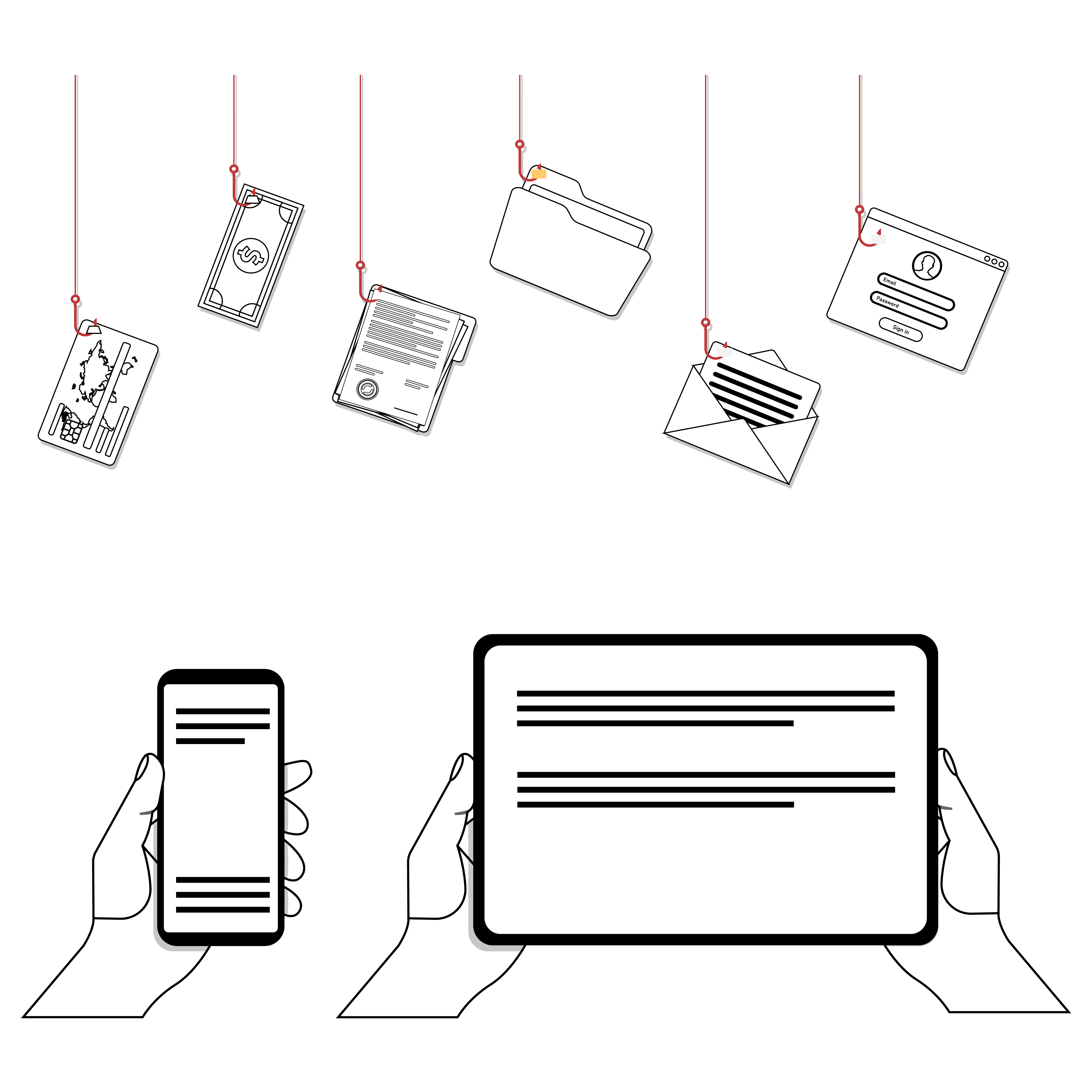
Consumer Phishing Stats
An FBI report states that phishing was one of the most common types of cybercrime committed in 2020. The number of incidents reported was a whopping 241,342. The report also showed that the number of incidents reported was 11 times more than in 2016. This proves the gravity of the situation and how important it is to protect the exchange of emails. DMARC comes in handy when dealing with these cybercrimes. The DMARC protocol protects businesses from falling prey to impersonation and spoofing attacks.
User training in companies can help prevent spoofing and phishing to some extent. Employees and clients both must be taught how to spot phishing emails and what actions to take against them. However, human error is inevitable; thus, it’s essential to have the correct protocols in place like DMARC.
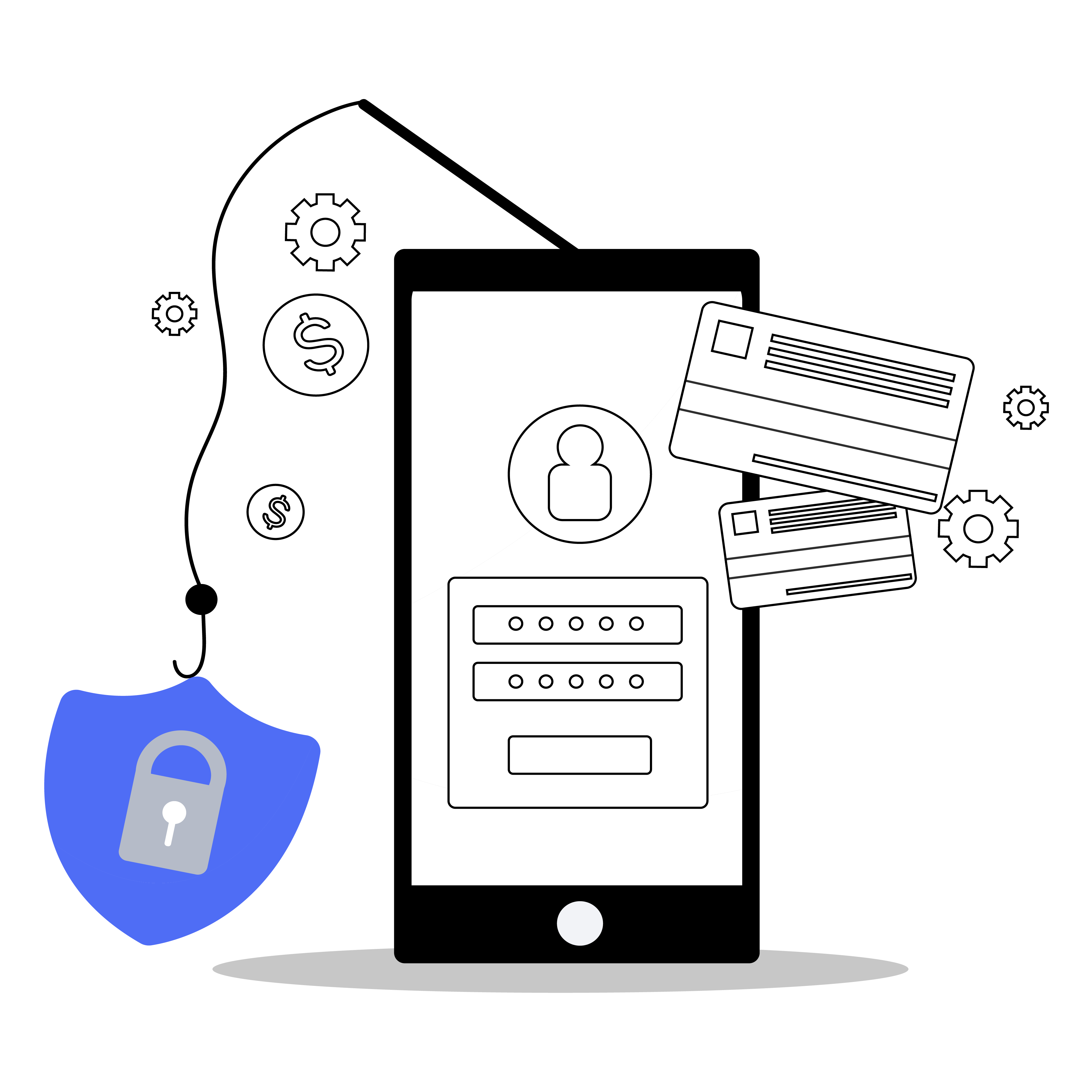
How Can DMARC Help?
DMARC (Domain-Based Message Authentication, Reporting, and Conformance) is an email authentication standard or protocol that determines whether an email is authentic or not. It relies on SPF and DKIM, two other protocols, to decide the authentication status of an email. It provides visibility of the sources sending emails from an organization’s domain, ensures better email deliverability, and, most importantly, provides security against domain spoofing, phishing, and impersonation attacks.
For detailed information, read more on What is DMARC?
DMARC is the strongest tool against phishing scams and spoofing attacks. DMARC contains instructions for the receiving domain on subsequent actions to be taken in case an email fails the security check. The incoming email is either passed, rejected, or quarantined based on the preferences set by the user. This makes spoofing and phishing almost impossible, hence protecting your brand from being impersonated.
EmailAuth provides free tools to validate and verify domains for DMARC, SPF, and DKIM. You can set up DMARC on your domain using EmailAuth’s DMARC Record Generator. It completely automates the setup process for DMARC, making it easier to choose who is allowed to send an email on the specific domain’s behalf and keep track of that domain’s enforcement policies.
Apart from providing companies and organizations with guaranteed email security and complete control of their email domains via DMARC, EmaiAuth has many other advantages. Navigate to Benefits of DMARC to read more about them.