Data Breach
Overview
Out of all reported data breaches, more than 91% start with an email. Organizations and businesses spend huge sums of money on cybersecurity protocols to safeguard their data. Yet, attackers bypass all security protocols and continue to exploit employees working for these organizations. Data breaches result in the loss of nearly $4 million globally.
An attack with the sole motive of stealing essential data mainly relies on the employee to gain access to an organization’s system. Through phishing, attackers gain the employee’s credentials and launch a data breach attack on the organization. Subsequently, while gathering confidential company data and vulnerabilities, they identify critical systems and discover processes they can prey on. All of this goes undetected.
The severity of a data breach makes it necessary for organizations to be well equipped with the latest security protocols for exchanging emails and information. DMARC helps in establishing legitimacy and protects the employee from being phished or attacked.
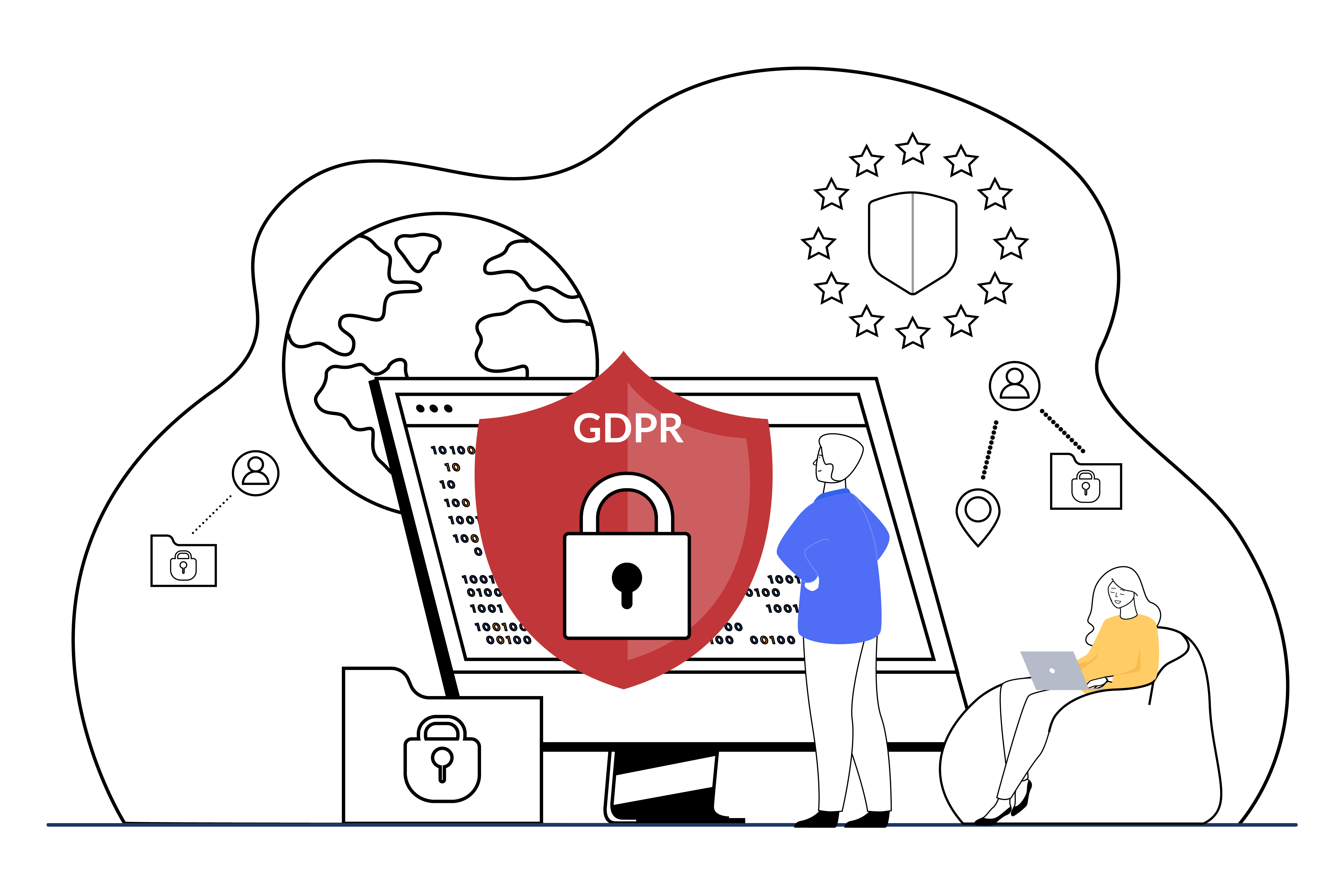
Stats
- Marriott Breach – Marriott suffered their second major breach in 2020, wherein 5.2 million customer records were exposed.
- General Electric Breach – In early 2020, GE suffered an HR breach that included the personal data of more than 200000 employees. The breach occurred via Canin Business Process Services.
- Oregon Breach – Healthcare giant Oregon had a breach in 2020 via a stolen laptop. The said laptop was stolen from a contractor, Gridworks IC. Files containing crucial patient Medicaid data were stolen.
- Instagram, YouTube, and TikTok – These social media giants suffered a humongous data breach involving more than 235 million records. Usernames, contact information, and other personal data were leaked via a social media data broker called DeepSocial.
- SpaceX, Tesla, Boeing, and Lockheed – These aerospace and auto companies faced multiple customer data breaches in 2020, resulting in widespread hue and cry. The breach had occurred via Visser, a parts’ vendor. Classified data pertaining to machine design and schematics were leaked.
- Expedia and Hotel.com – Hospitality Giants Expedia and Hotels.com suffered a data breach via Prestige Software that left 10 million client records exposed. This was an AWS S3 data bucket exposure breach.
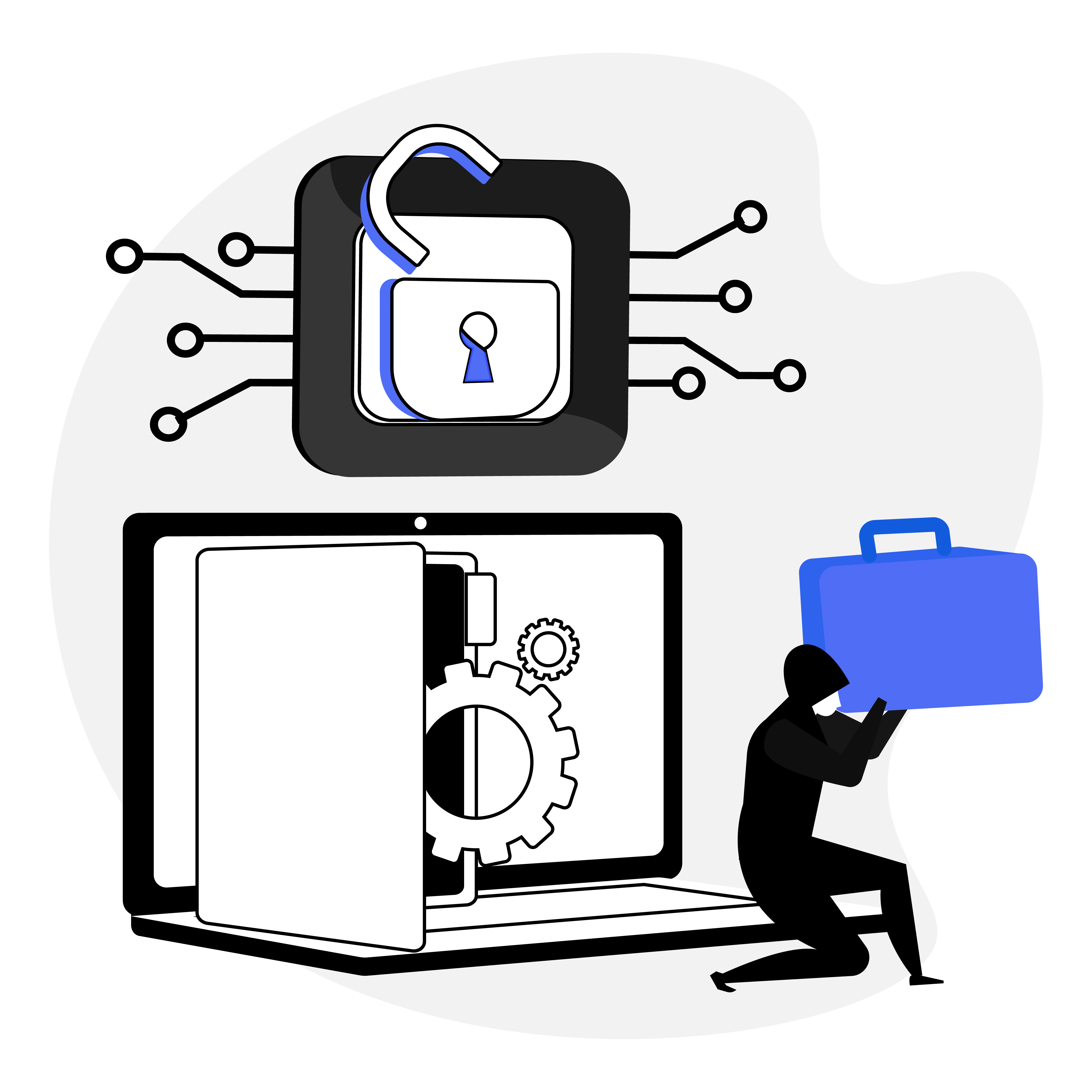
How Can DMARC Help?
DMARC (Domain-Based Message Authentication, Reporting, and Conformance) is an email authentication standard or protocol that determines whether an email is authentic or not. It relies on SPF and DKIM, two other protocols, to decide the authentication status of an email. It provides visibility of the sources sending emails from an organization’s domain, ensures better email deliverability, and, most importantly, provides security against domain spoofing, phishing, and impersonation attacks.
DMARC helps users avoid data breaches by not falling prey to phishing emails that usually contain ransomware that encrypts data so that hackers can demand ransom in exchange for the encrypted data. If DMARC is adopted universally, cases of a data breach will reduce drastically since an organization will become less likely to be phished and spoofed.
For detailed information, read more on What is DMARC?
EmailAuth offers free tools to check your DMARC, SPF, and DKIM records. To verify your DMARC records, use EmailAuth’s Free DMARC Record Checker.
You can also set up DMARC on your domain using EmailAuth’s DMARC Record Generator. It completely automates the setup process for DMARC, making it easier to choose who is allowed to send emails on your domain’s behalf and keep track of that domain’s enforcement policies.
Apart from providing companies and organizations with guaranteed email security and complete control of their email domains via DMARC, EmaiAuth has many other advantages. Navigate to Benefits of DMARC to read more about them.