Ransomware
Overview
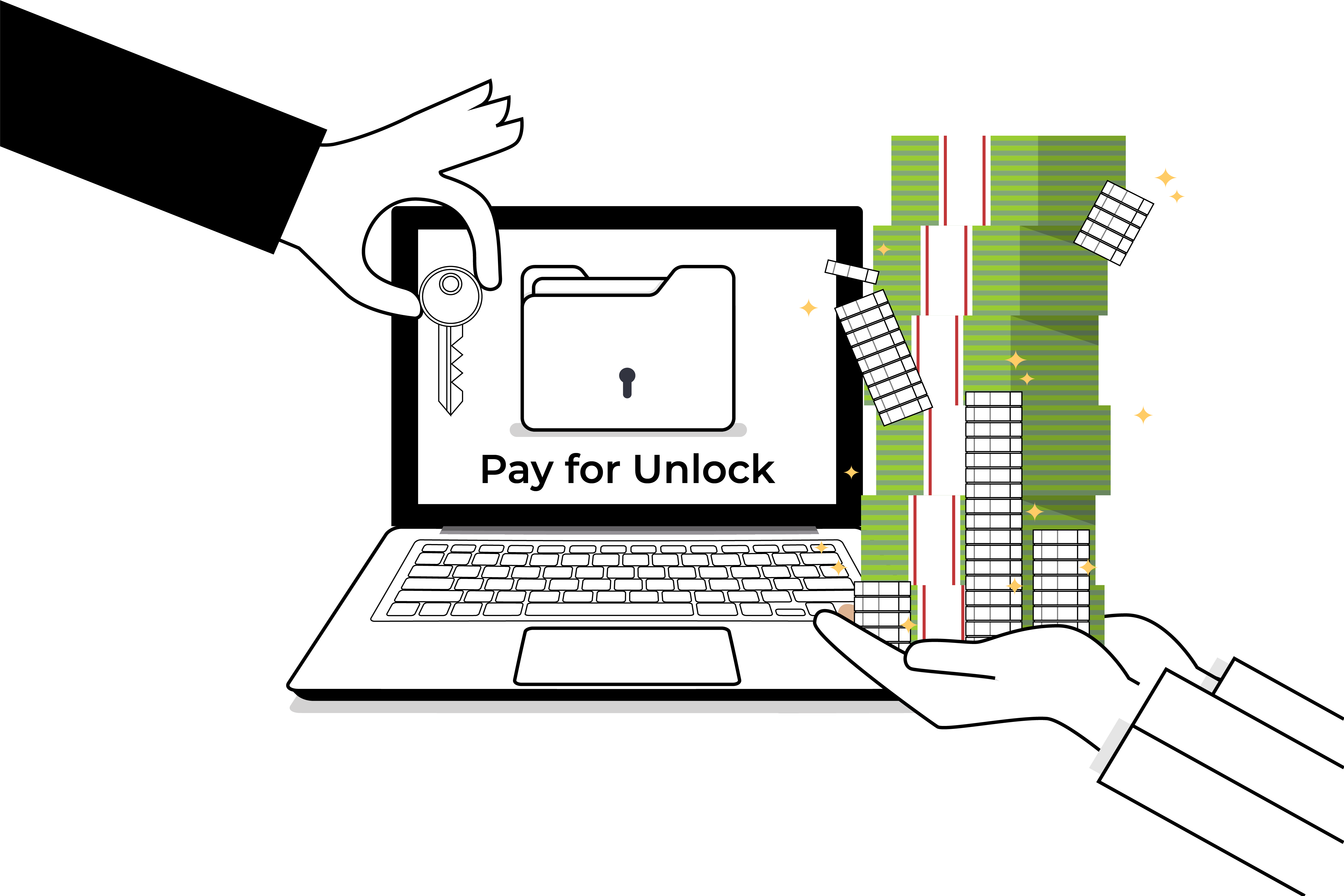
Ransomware is one of the most common types of cyberattacks in which the attacker infects the victim’s system with malware that encrypts, deletes, or quarantines essential data. The attacker then demands payment to undo the harm and return the data to the victim. 76% of all ransomware attacks have been carried out using emails.
Attackers usually engineer their own malware or purchase it on the dark web. They launch attacks using email vectors by pretending to be a reputed organization or individual that the victim trusts. The recipient unknowingly opens the email, which activates the ransomware and encrypts the system completely. Payment is now demanded from the victim in exchange for the encrypted data. Moreover, the victim has no way of knowing for sure if the data will be decrypted after the payment is made.
It is necessary to protect systems against ransomware attacks, and this can only be done if stringent email protocols are implemented in email exchange systems. DMARC helps in establishing the legitimacy of the emails, thus protecting the user from opening or clicking on unverified files on their system.
Stats
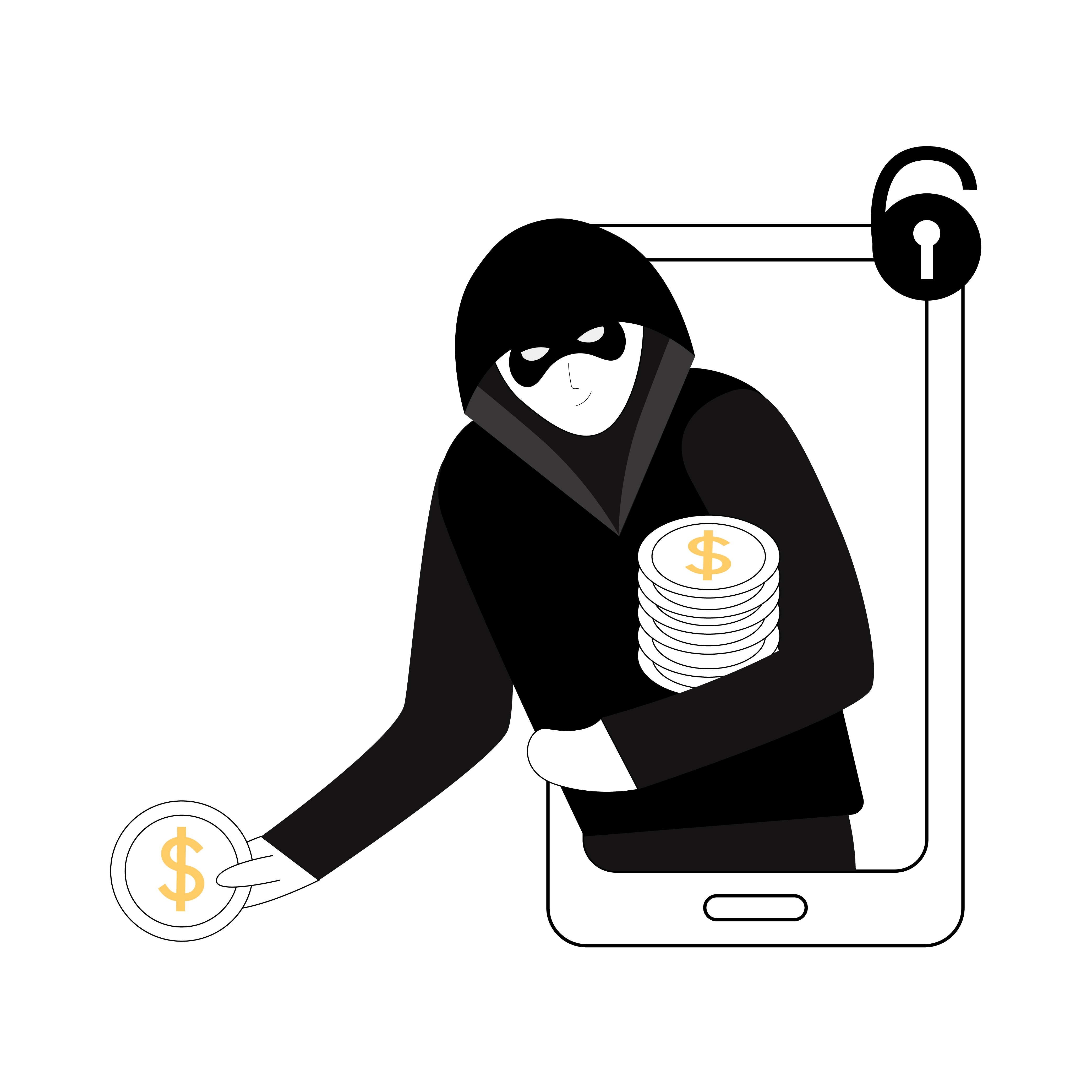
Ransomware has increased considerably in recent years with statistics showing a growth rate of up to 350% in 2018. The attacks increased by 41% in 2019 with 205,000 businesses losing access to their files. Primary ransomware variants reported from 2013 to 2016 were CryptoLocker and CryptoWall.
- Ransomware remains the most prominent malware threat. (Datto, 2019)
- Malicious emails are up 600% due to COVID-19. (ABC News, 2021)
- In 2021, the largest ransomware payout was made by an insurance company at $40 million, setting a world record. (Business Insider, 2021)
- The average ransom fee requested has increased from $5,000 in 2018 to around $200,000 in 2020. (National Security Institute, 2021)
- Experts estimate that a ransomware attack will occur every 11 seconds in 2021. (Cybercrime Magazine, 2019)
- The average downtime a company experiences after a ransomware attack is 21 days. (Coveware, 2021)
- 71% of those who are affected by ransomware have been infected. Half of the ransomware attacks that are successful infect at least 20 computers in the organization. (Acronis, 2020)
How Can DMARC Help?
DMARC (Domain-Based Message Authentication, Reporting, and Conformance) is an email authentication standard or protocol that determines whether an email is authentic or not. It relies on SPF and DKIM, two other protocols, to decide the authentication status of an email.
For detailed information, read more on What is DMARC?
DMARC provides visibility of the sources sending emails from an organization’s domain, ensures better email deliverability, and, most importantly, provides security against domain spoofing, phishing, and impersonation attacks. This makes it harder for attackers to plant malware and ransomware in phishing emails intended to take control of the victim’s system. In most cases, an email vector is used for ransomware plantation. This means that if a malicious email is detected and rejected, ransomware won’t affect the system at all.
EmailAuth offers free tools to check your DMARC, SPF, and DKIM records. To verify your DMARC records, use EmailAuth’s Free DMARC Record Checker.
You can also set up DMARC on your domain using EmailAuth’s DMARC Record Generator. It completely automates the setup process for DMARC, making it easier to choose who is allowed to send emails on your domain’s behalf and keep track of that domain’s enforcement policies.
Apart from providing companies and organizations with guaranteed email security and complete control of their email domains via DMARC, EmaiAuth has many other advantages. Navigate to Benefits of DMARC to read more about them.