G Suite
Overview
Google Workspace is a complete suite of cloud computing, productivity and collaboration tools, software and products. It was first introduced in 2006 as Google Apps but was renamed G Suite in 2016. G Suite’s immense popularity among small and medium-sized businesses around the globe has made it a popular cloud-based target for phishing attempts. Due to this, email security is of top priority to G Suite.
G Suite has enough protection to protect its users from spam, known viruses and malware, but it does not provide protection from more sophisticated email threats like corporate email compromise, spear phishing, and account takeovers.
For added protection from the more sophisticated attacks, the implementation of DMARC is recommended. This authentication technique maximizes the security of your domain and ensures that messages sent from it are delivered correctly.
DMARC (Domain-Based Message Authentication, Reporting, and Conformance) is an email authentication standard or protocol that determines whether an email is authentic or not. It relies on SPF and DKIM, two other protocols, to decide the authentication status of an email. It provides visibility of the sources sending emails from an organization’s domain, ensures better email deliverability, and, most importantly, provides security against domain spoofing, phishing, and impersonation attacks.
Setup
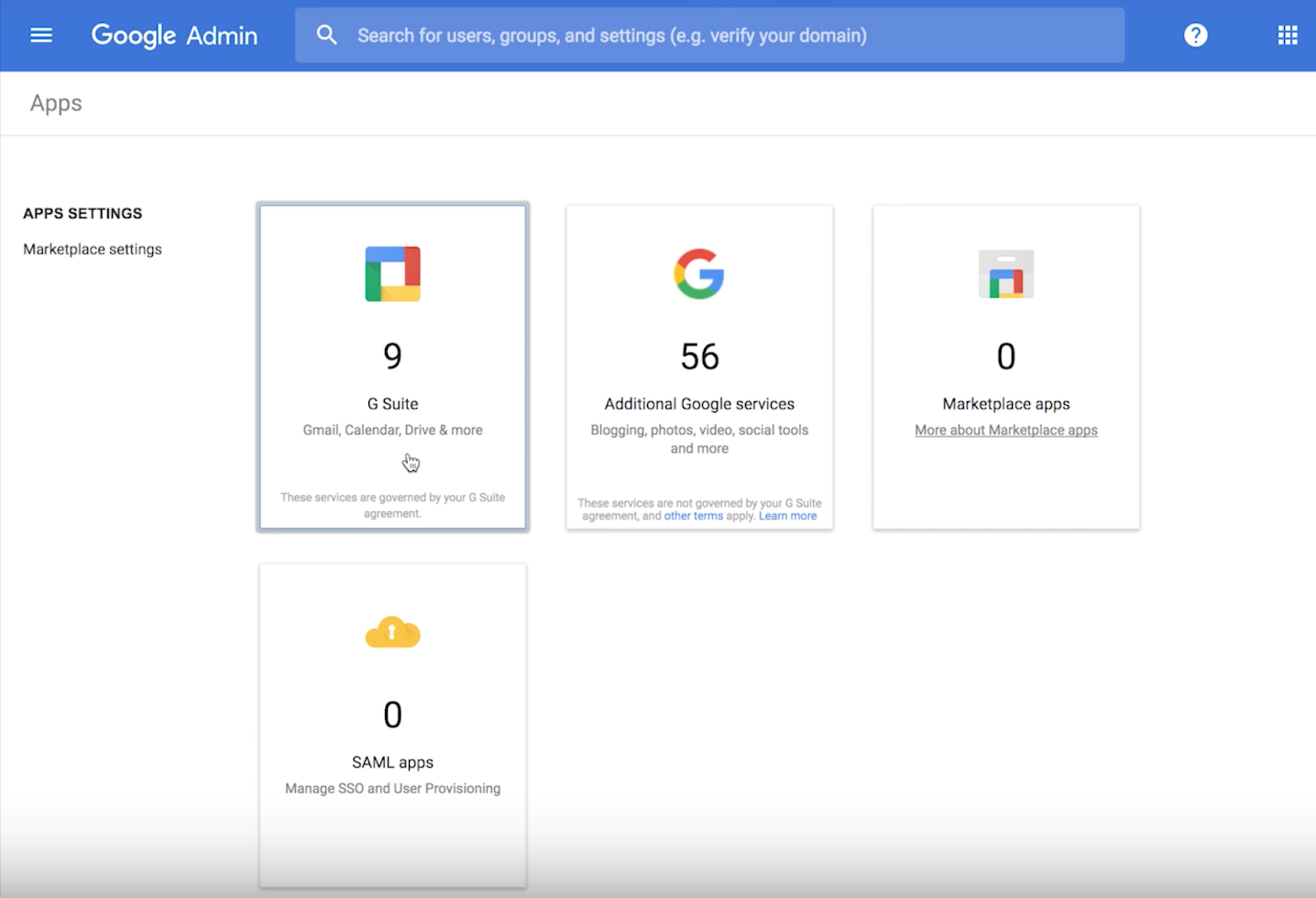
- Login to the Google Admin Console.
- Navigate to ‘Apps > G Suite’.
- Click on ‘Authenticate email > Generate new record’.
- Select a DKIM key bit length and a prefix selector, and then click on ‘Generate’.
- Update your domain DNS record from your domain provider’s DNS Settings page.
Please note, It may take 48-72 hours for your DMARC records to start generating.
EmailAuth provides free tools to validate and verify domains for DMARC, SPF and DKIM, and to generate new records. It completely automates the setup process for DMARC, making it easier to choose who is allowed to send an email on the specific domain’s behalf and keep track of that domain’s enforcement policies.
You can check your DMARC record using EmailAuth’s DMARC Record Checker.
Benefits
Apart from giving companies and organizations control over their email domains through DMARC’s implementation, EmaiAuth provides many other advantages. You can read about them here.