Phishing Incident Response
Overview
Phishing is a type of social engineering assault that is frequently used to obtain sensitive information from users, such as login credentials and credit card details. It occurs when a hacker poses as a trustworthy entity (reputed organization or trusted friend) and convinces a victim to open an email, instant message or text message. The recipient is then duped into clicking on a dangerous link, resulting in malware installation or system freeze.
In the year 2020, the global average cost of a data breach was reported to be $3.86 M. Furthermore, 96% of phishing attacks used emails to send malicious links to unsuspecting victims. These stats are quite frightening. The solution to these attacks is the implementation of DMARC.
Advantages
Apart from giving companies and organizations control over their email domains through DMARC’s implementation, EmaiAuth provides many other advantages. You can read more about them on our Features page.
EmailAuth also offers a free DMARC Record Checker to display your record, test it, and verify that it is valid. All you need to perform a DMARC check is to provide your domain name. The tool will then analyze and display your DMARC record along with other information. Similarly, you can also verify your DKIM and SPF records using EmailAuth’s free and automated tools: DKIM Record Checker and SPF Record Checker.
In case you don’t have a DMARC record published for your domain, you can use EmailAuth’s DMARC Record Generator to generate a record instantly.
How Can DMARC Help?
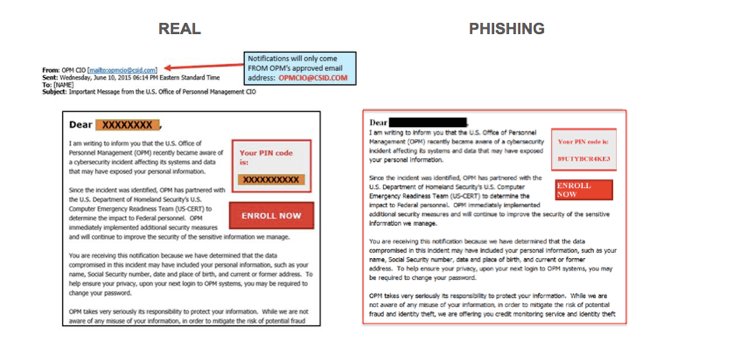
DMARC (Domain-based Message Authentication, Reporting, and Conformance), in its most basic terms, is an email authentication protocol that protects an email domain from unauthorized use like email spoofing, phishing scams, impersonation, and other cyber attacks.
To read more about Domain-based Message Authentication, Reporting, and Conformance, head over to What is DMARC?
DMARC ensures that legitimate emails are authenticated against DKIM and SPF standards and protects organizations’ domains from being misused. Domain alignment and reporting are two of DMARC’s most important features. If you set up SPF, DKIM, and DMARC, spammers and hackers won’t be able to impersonate your email domain to send spam or phishing emails to innocent victims.
Follow the email security cheat sheet that helps as an excellent security measure to protect your brand from phishing attacks.